


Medically reviewed by Dr. Rao Khurram Ayoub, RPh, PhD (Pharmaceutics)
Updated on

Top 5 Nerve Pain Medication
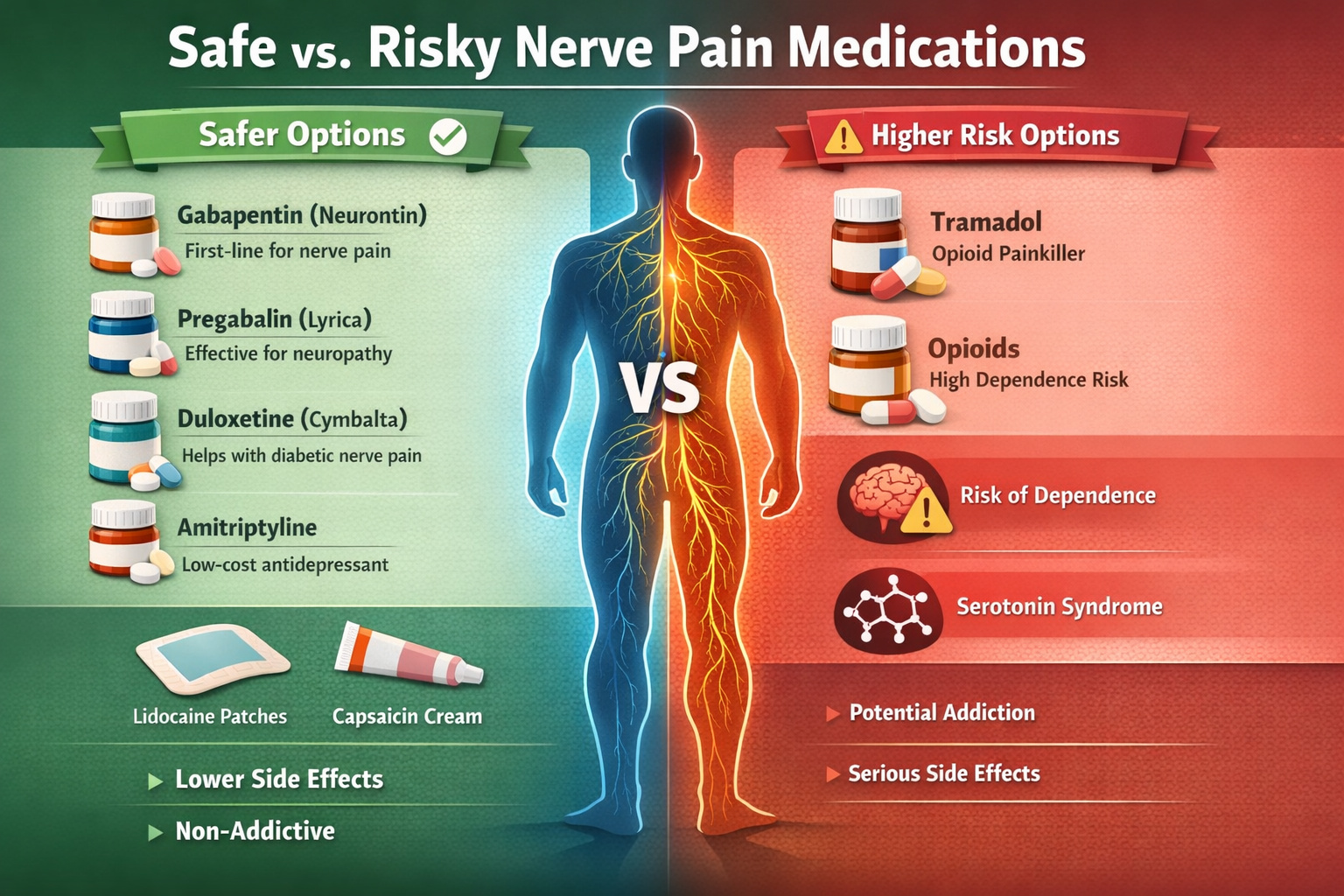
According to the Medicina (2025) : The top 5 nerve pain medications most consistently recommended in recent international guidelines are gabapentin, pregabalin, duloxetine, amitriptyline, and tramadol.
What is Nerve Pain (Neuropathy)
A study by Soliman et al., 2025 stated that Nerve pain, or neuropathic pain, arises when the nervous system is damaged or dysfunctional. It affects up to 10% of the global population and is particularly common in conditions like diabetic neuropathy, postherpetic neuralgia, and chemotherapy induced nerve pain . Unlike typical pain, neuropathic pain often feels like burning, tingling, or electric shocks, and standard painkillers (like paracetamol or ibuprofen) are usually ineffective.
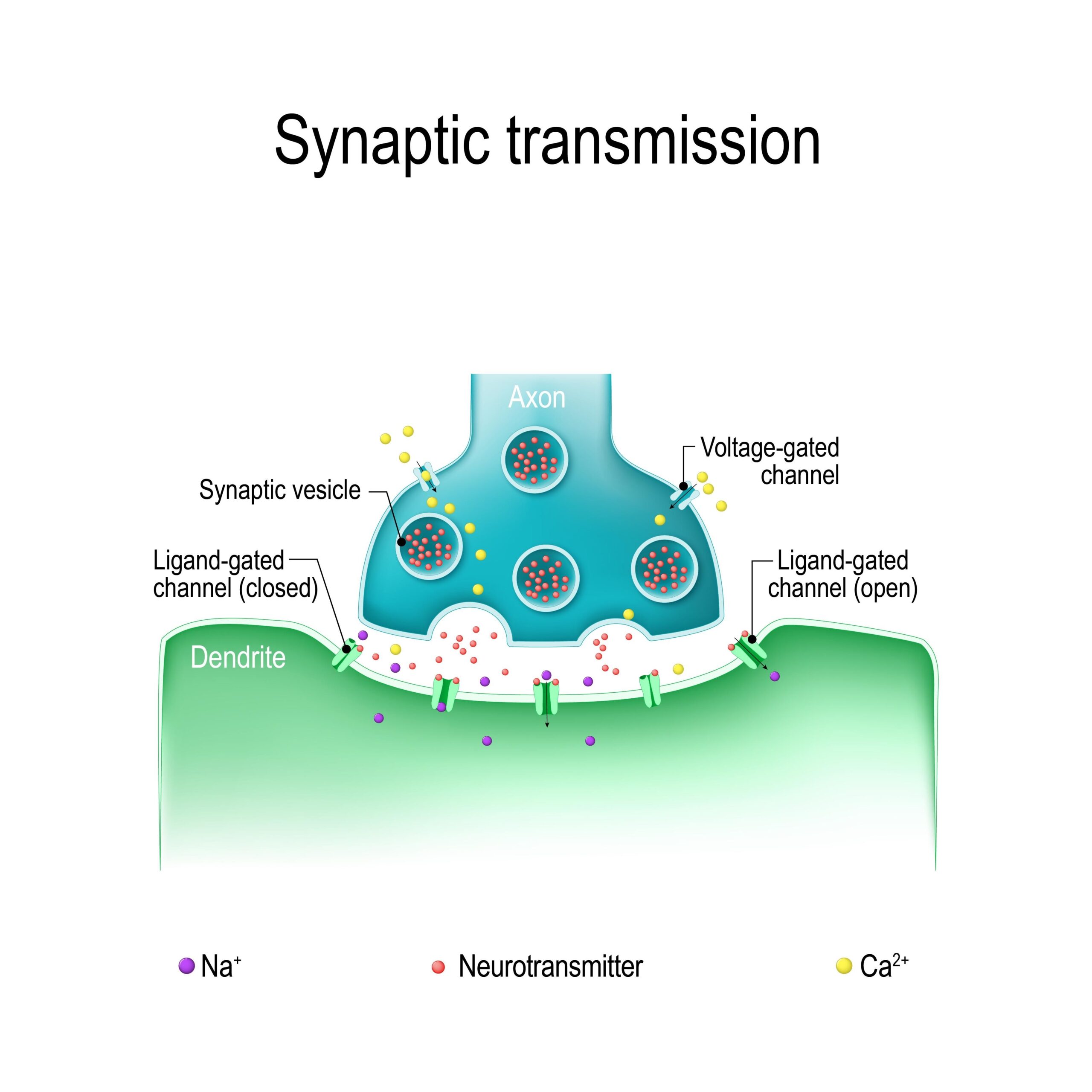
These symptoms often arise from voltage-gated calcium channels becoming hyper-excitable.
Top 5 Nerve Pain Medications
Gabapentin (Neurontin)
Gabapentin is an anticonvulsant that calms overactive nerve signals. It’s often a first line treatment for neuropathic pain, especially in diabetic neuropathy and postherpetic neuralgia.
-
Benefits: Effective for chronic nerve pain, widely available in generic form.
-
Risks: Drowsiness, dizziness, weight gain.
-
Evidence: NICE guidelines list gabapentin as a primary option for neuropathic pain management .
Pregabalin (Lyrica)
Pregabalin is a newer gabapentinoid, similar to gabapentin but often considered more potent.
-
Benefits: FDA approved for diabetic neuropathy and fibromyalgia.
-
Risks: Sedation, blurred vision, potential misuse.
-
Evidence: International reviews confirm pregabalin’s strong efficacy in neuropathic pain .
Duloxetine (Cymbalta)
Duloxetine is an SNRI antidepressant that boosts serotonin and norepinephrine, helping regulate pain pathways.
-
Benefits: Particularly effective for diabetic nerve pain and patients with comorbid depression/anxiety.
-
Risks: Nausea, dry mouth, blood pressure changes.
-
Evidence: Global systematic reviews highlight duloxetine as one of the most effective non opioid options .
Amitriptyline
Amitriptyline is a tricyclic antidepressant used off label for nerve pain.
-
Benefits: Low cost, effective for sleep disturbance linked to pain.
-
Risks: Dry mouth, constipation, drowsiness, not ideal for elderly patients.
-
Evidence: NICE guidelines recommend amitriptyline as a first line option alongside gabapentin and duloxetine .
Tramadol
Tramadol is a weak opioid analgesic sometimes used when other medications fail.
-
Benefits: Provides relief in severe cases.
-
Risks: Dependence, serotonin syndrome, not suitable for long term use.
-
Evidence:A study by Soliman, N. et al. (2025). Reserved for short term management in resistant cases .
Alternatives & Adjuncts
A study by Soliman, N. et al. (2025).
-
Topical lidocaine patches useful for localised nerve pain.
-
Capsaicin cream effective for peripheral neuropathy.
-
Non drug therapies physiotherapy, TENS, acupuncture.