


Medically reviewed by Dr. Rao Khurram Ayoub, RPh, PhD (Pharmaceutics)
Updated on
What Are Antacids and How Do They Work?
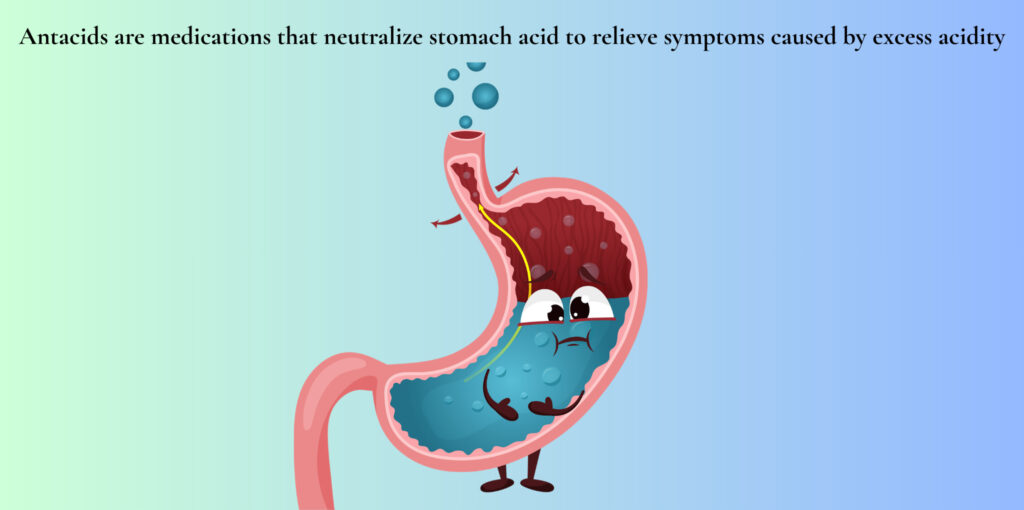
Antacids are over the counter medicines designed to neutralise stomach acid quickly. They do not stop your stomach from producing acid. Instead, they work by raising the pH level inside the stomach, making the acid less irritating.
Most antacids contain ingredients such as:
- Calcium carbonate
- Magnesium hydroxide
- Aluminium hydroxide
- Sodium bicarbonate
These ingredients can be found in products such as Tums, Gaviscon, Maalox, Mylanta, Alka-Seltzer, and Rolaids.
Antacids are often used for:
- Heartburn
- Acid reflux
- GERD symptoms
- Indigestion after eating
- Sour stomach
- Mild bloating and gas
- Burning chest after eating
When stomach acid flows back into the oesophagus, it can cause a painful burning feeling known as acid reflux or heartburn. Antacids help by neutralising the acid already present.
Research published in the The American Journal of Clinical Gastroenterology confirms that antacids can provide relief within minutes, making them one of the fastest options for occasional heartburn relief.
How Long Do Antacids Take to Work?
One reason people prefer antacids is because they work quickly. In most cases, chewable antacid tablets and liquid antacids begin working within 5 to 15 minutes.
Liquid antacids often work faster because they coat the stomach lining more easily. Chewable tablets may take slightly longer but are more convenient to carry.
The effects of antacids are usually temporary and may last:
- Around 30 minutes if taken on an empty stomach
- Up to 2 to 3 hours if taken after meals
If symptoms come back frequently, you may need a different treatment approach. Persistent acid reflux may require H2 blockers such as Pepcid or proton pump inhibitors such as Prilosec.
According to guidance from the NHS and American Gastroenterological Association, people who need antacids more than twice weekly should speak with a healthcare professional because this may indicate GERD or another digestive problem.
Best Antacids for Heartburn, Indigestion, and Acid Reflux
Not all antacids are the same. The best antacid depends on your symptoms, other health conditions, and the ingredients in the product.
Here is a practical symptom-based guide:
- Calcium carbonate antacids: Best for quick heartburn relief and acid reflux
- Magnesium hydroxide antacids: Useful for constipation-prone patients because they may loosen stools
- Aluminium hydroxide antacids: Better for people who experience diarrhoea, although they may cause constipation
- Sodium bicarbonate: Fast acting but not ideal for people with high blood pressure because of the sodium content
- Combination products: Useful for bloating, gas, and indigestion
Products such as Gaviscon can also create a foam barrier that helps stop acid flowing back into the oesophagus.
Best Antacid for Bloating and Gas
Many people search for the best antacid for bloating and gas because indigestion often comes with burping, pressure, and stomach discomfort.
Combination products containing simethicone may help. Simethicone breaks up gas bubbles, while the antacid reduces acid-related irritation.
Products often used for bloating and gas include:
- Mylanta
- Maalox Plus
- Gaviscon Double Action
If bloating is persistent, it may not be caused by stomach acid alone. Conditions such as irritable bowel syndrome, lactose intolerance, constipation, or food intolerance may be contributing.
Best Antacid for Night-Time Heartburn
Night-time reflux is common because lying flat makes it easier for acid to flow into the oesophagus.
Helpful tips include:
- Taking antacids after the evening meal
- Avoiding food for at least 2 to 3 hours before bed
- Raising the head of the bed slightly
- Avoiding alcohol, spicy foods, caffeine, and smoking
Gaviscon is often preferred for night-time heartburn because it forms a barrier on top of stomach contents.
Antacids vs H2 Blockers vs Proton Pump Inhibitors
Many people are confused about the difference between antacids, H2 blockers, and PPIs.
Antacids work fastest but only provide short-term relief.
H2 blockers, such as Pepcid, reduce acid production for several hours. They may take 30 to 60 minutes to work.
Proton pump inhibitors, such as Prilosec, work more slowly but are stronger and better for long-term GERD treatment.
| Treatment | How Quickly It Works | Duration | Best For |
|---|---|---|---|
| Antacids | 5 to 15 minutes | 1 to 3 hours | Occasional heartburn |
| H2 blockers | 30 to 60 minutes | 6 to 12 hours | Moderate reflux |
| PPIs | 1 to 4 days for full effect | 24 hours or more | Chronic GERD |
When Should You Use Antacids Instead of PPIs?
Antacids are best for:
- Occasional symptoms
- Heartburn after eating spicy food
- Temporary indigestion
- Quick relief during travel
- Acid reflux after alcohol
PPIs are more appropriate when symptoms happen several times each week.
Research in The Lancet Gastroenterology & Hepatology suggests PPIs are more effective for healing oesophagitis and chronic GERD, while antacids are better for rapid symptom control.
Antacid Side Effects and Safety Concerns
Although antacids are widely available, they are not completely risk free.
Common side effects include:
- Constipation
- Diarrhoea
- Nausea
- Bloating
- Stomach cramps
Calcium and aluminium based products are more likely to cause constipation. Magnesium-containing products may cause diarrhoea.
Taking too many antacids can sometimes lead to:
- High calcium levels
- Kidney stones
- Rebound acid production
- Electrolyte imbalance
- High sodium levels
Who Should Avoid Certain Antacids?
Some people need extra caution when choosing antacids.
This includes:
- People with kidney disease
- Older adults
- People with high blood pressure
- Pregnant women
- People taking multiple medicines
Patients with kidney disease should avoid large amounts of magnesium or aluminium because these ingredients may build up in the body.
People with hypertension should be cautious with sodium bicarbonate-based products.
According to research from the British Society of Gastroenterology, older adults are more likely to experience antacid interactions because they often take medicines for blood pressure, thyroid disease, diabetes, or osteoporosis.
Antacid Drug Interactions You Should Know
Antacids can affect how other medicines are absorbed.
This is especially important for:
- Antibiotics
- Iron tablets
- Thyroid medication
- Blood pressure medicines
- Osteoporosis treatments
- Antifungal medicines
Antacids may reduce the absorption of medicines such as tetracycline antibiotics, levothyroxine, ciprofloxacin, and iron supplements.
How to Take Antacids Safely With Other Medicines
A simple rule is to separate antacids from other medicines by at least 2 to 4 hours.
This can reduce the risk of interactions.
For example:
- Take thyroid medication first thing in the morning
- Wait several hours before taking antacids
- Avoid taking antacids at the same time as iron tablets
This is one of the most important counselling points I discuss with patients because many people assume over-the-counter medicines are always harmless.
Lifestyle Changes That Reduce the Need for Antacids
Although antacids can help, lifestyle changes are often just as important.
Helpful changes include:
- Eating smaller meals
- Losing excess weight
- Avoiding late-night eating
- Reducing spicy foods
- Cutting back on caffeine
- Limiting alcohol
- Stopping smoking
- Sleeping with the head elevated
Foods that often trigger reflux include:
- Chocolate
- Mint
- Tomato-based sauces
- Fried foods
- Citrus fruits
- Fizzy drinks
Natural Remedies for Heartburn and Indigestion
Some people prefer natural remedies alongside antacids.
Potential options include:
- Ginger tea
- Oatmeal
- Bananas
- Aloe vera juice
- Chamomile tea
However, natural does not always mean safe. Some herbal remedies may interact with prescription medicines.
Key Takeaways
- Antacids are fast acting but short term solutions.
- They neutralize acid rather than reduce its production.
- Best suited for occasional relief, not chronic conditions.
- Should be used with awareness of side effects and alternatives.
Frequently Asked Questions (FAQs)
How fast do antacids work?
Most antacids begin working within minutes, making them ideal for sudden episodes of heartburn or indigestion.
Can I take antacids every day?
Occasional use is safe, but daily reliance may indicate a more serious condition like GERD. Long-term use should be discussed with a healthcare provider.
Are antacids safe during pregnancy?
Yes, many antacids are considered safe during pregnancy, but formulations containing sodium bicarbonate or magnesium trisilicate should be avoided. Always consult a doctor.
Do antacids interact with other medications?
Yes. Antacids can interfere with the absorption of antibiotics, iron supplements, and thyroid medications. It’s best to take them 2–4 hours apart from other drugs.
What are the side effects of antacids?
Calcium carbonate: constipation, kidney stones (rare).
Magnesium hydroxide: diarrhea.
Aluminum hydroxide: constipation, phosphate depletion.
Overuse may cause electrolyte imbalance.
Are antacids addictive?
No, antacids are not addictive. However, frequent use may mask underlying conditions that require medical attention.
What’s the difference between antacids and PPIs?
Antacids provide immediate relief by neutralizing acid, while PPIs reduce acid production and are used for long-term management of GERD and ulcers.
Are liquid antacids better than tablets?
Liquid antacids often work faster, but tablets are more convenient.
When should I see a doctor for heartburn?
Seek medical advice if you have:
Heartburn more than twice weekly
Difficulty swallowing
Unexplained weight loss
Vomiting blood
Black stools
Persistent chest pain
When should antacids be taken?
Antacids are usually taken after meals, at bedtime, or whenever heartburn and indigestion symptoms occur. Always follow the instructions on the product label.
How do antacids work?
Antacids neutralize excess stomach acid by reacting with hydrochloric acid to form water and salts. This reduces acidity and quickly relieves heartburn and indigestion.
What are antacids used for?
Antacids are used to relieve heartburn, indigestion, acid reflux, and discomfort caused by excess stomach acid. They provide quick, short-term relief.
How quickly do antacids work?
ost antacids start working within 5 minutes and provide relief for 30 minutes to 2 hours, depending on the formulation.
Do antacids cause constipation?
Some antacids containing aluminum can cause constipation, while those with magnesium may cause diarrhea. Combination products often balance these effects.
What does an antacid do in the stomach?
Antacids neutralize stomach acid, reducing irritation of the stomach lining and esophagus. This helps relieve burning, bloating, and discomfort.
How do antacid tablets differ from liquid antacids?
Antacid tablets are convenient and portable, but liquid antacids may work faster because they spread more quickly in the stomach.
References
- Katz, P.O., Dunbar, K.B., Schnoll-Sussman, F.H., Greer, K.B., Yadlapati, R.H. and Spechler, S.J., 2022. ACG Clinical Guideline for the Diagnosis and Management of Gastroesophageal Reflux Disease. The American Journal of Gastroenterology, 117(1), pp.27-56. Available at: https://journals.lww.com/ajg/fulltext/2022/01000/acg_clinical_guideline_for_the_diagnosis_and.14.aspx
- Yadlapati, R., Kahrilas, P.J., Fox, M.R., Bredenoord, A.J., Prakash Gyawali, C., Roman, S., Savarino, E., Zerbib, F., Smout, A.J.P.M. and Pandolfino, J.E., 2021. Esophageal motility disorders on high-resolution manometry: Chicago Classification version 4.0. Neurogastroenterology & Motility, 33(1), e14058. Available at: https://onlinelibrary.wiley.com/doi/10.1111/nmo.14058
- National Health Service, 2025. Heartburn and acid reflux. Available at: https://www.nhs.uk/conditions/heartburn-and-acid-reflux/ [Accessed 3 April 2026].
- Heidelbaugh, J.J., 2020. Proton Pump Inhibitors and Risk of Long-Term Use: A Review of the Evidence and Strategies for Deprescribing. Therapeutic Advances in Gastroenterology, 13, pp.1-13. Available at: https://journals.sagepub.com/doi/full/10.1177/1756284820952182
- Ford, A.C., Moayyedi, P., Lacy, B.E., Lembo, A.J., Saito, Y.A., Schiller, L.R., Soffer, E.E., Spiegel, B.M.R. and Quigley, E.M.M., 2020. American College of Gastroenterology Monograph on Management of Irritable Bowel Syndrome. The American Journal of Gastroenterology, 115(Suppl 1), pp.1-44. Available at: https://journals.lww.com/ajg/fulltext/2021/01001/acg_clinical_guideline__management_of_irritable.11.aspx
- Spechler, S.J. and Souza, R.F., 2022. Barrett’s Esophagus and Gastroesophageal Reflux Disease. The New England Journal of Medicine, 386(12), pp.1136-1145. Available at: https://www.nejm.org/doi/full/10.1056/NEJMra2033716
- British National Formulary, 2025. Antacids and simeticone. Available at: https://bnf.nice.org.uk/treatment-summaries/dyspepsia-and-gastro-oesophageal-reflux-disease/ [Accessed 3 April 2026].
- World Gastroenterology Organisation, 2023. Global Guidelines: GERD Global Perspective on Gastroesophageal Reflux Disease. Available at: https://www.worldgastroenterology.org/guidelines/gastroesophageal-reflux-disease/gastroesophageal-reflux-disease-english